

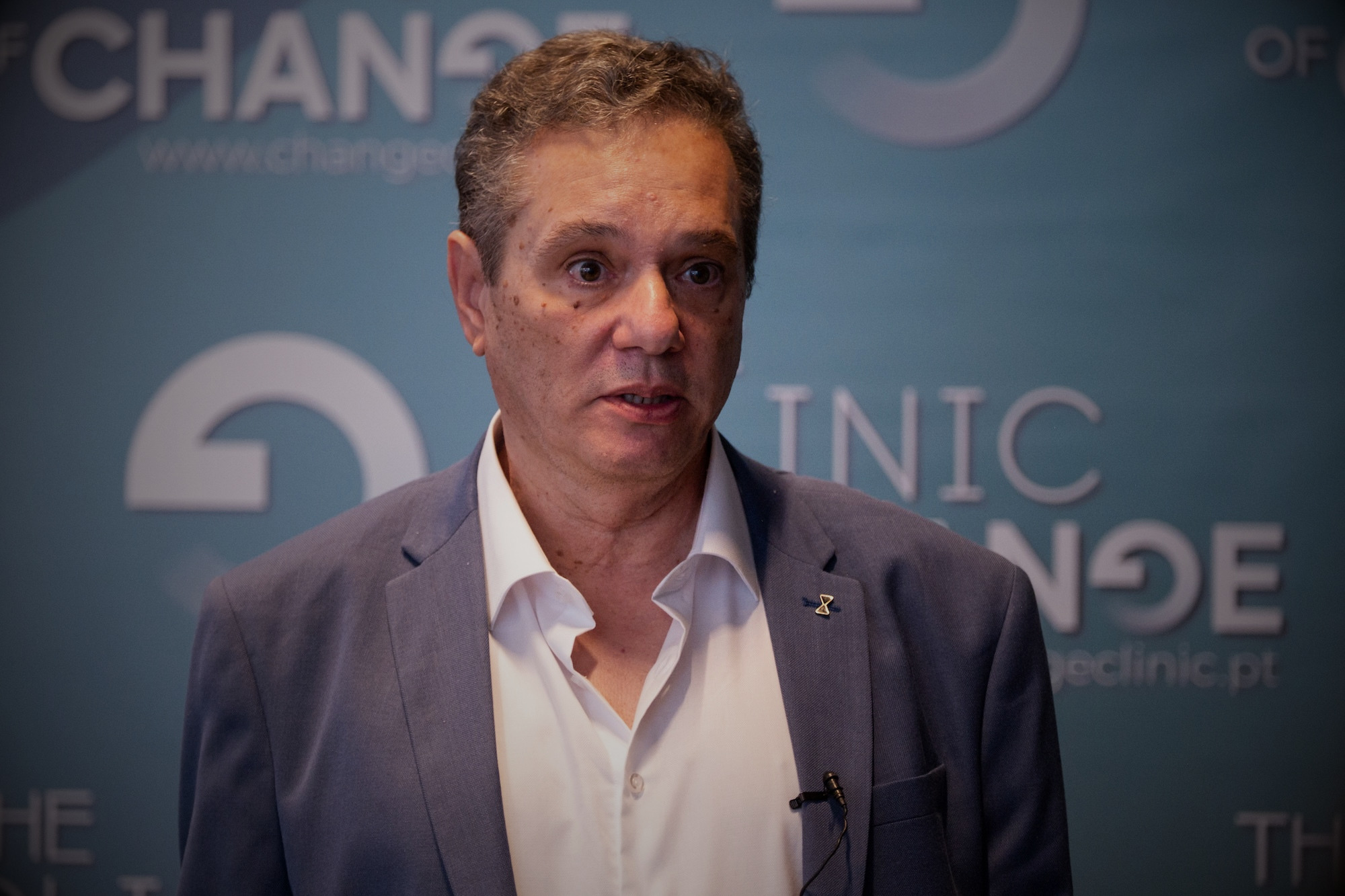

Prof. Dr. Victor Amorim Rodrigues, a psychiatrist, professor at ISPA, and clinical director of The Clinic of Change, authored an opinion piece published in the June 2026 issue of the magazine Saúde e Bem Estar (No. 372). In the article, he clearly argues that Portugal cannot continue to remain on the sidelines of the revolution that psychedelics represent for contemporary psychiatry.
The starting point is the scale of the problem. According to a 2019 OECD report, about 22% of the Portuguese population lives with a mental disorder—and a significant portion of these patients do not respond to conventional pharmacological treatments. Treatment-Resistant Depression is, in the author’s words, “one of the greatest challenges” in the field, with many patients undergoing multiple treatments without any notable functional recovery.
The scientific evidence exists—and it is robust
It is in this context that Amorim Rodrigues advocates for Psychedelic-Assisted Psychotherapy as a legitimate, effective, and urgent therapeutic response. Ketamine—a drug with proven antidepressant properties—promotes brain neuroplasticity, enabling the creation of new neural connections that are crucial in the treatment of disorders such as depression and addiction. Unlike traditional antidepressants, which take weeks to take effect, ketamine can reduce depressive symptoms in just a few hours.
The article highlights the results of a study conducted with 98 patients at The Clinic of Change in Lisbon, which led to a master’s thesis defended at ISPA. The data reveal clinically significant improvements in three areas: depressive symptoms decreased from moderately severe to mild; anxiety symptoms decreased from moderate to mild; and functional impairment improved significantly, with patients regaining the ability to perform social, personal, and professional activities.
Portugal cannot fall behind
Victor Amorim Rodrigues emphasizes, however, that this is not a one-size-fits-all solution. “Psychedelic-assisted psychotherapy is not a one-size-fits-all solution, nor does it replace traditional pharmacological treatments, ” he writes, adding that about 30% of patients do not respond to this approach. Furthermore, it is a very demanding intervention, conducted by multidisciplinary teams following rigorously structured protocols and involving follow-up for up to 12 months after the end of treatment.
The expert concludes bluntly: “Ignoring the therapeutic potential of psychedelics in light of the accumulated scientific evidence is irresponsible.” Countries such as Australia, the Czech Republic, Norway, and France have already moved toward the regulated integration of these therapies into their healthcare systems. Portugal, argues the clinical director of The Clinic of Change, cannot fall behind. “I am not exaggerating when I say that the integration of psychedelics into clinical practice has represented the greatest revolution in psychiatry over the past 30 years.”
The full article can be read in the online edition of Saúde e Bem Estar magazine.