

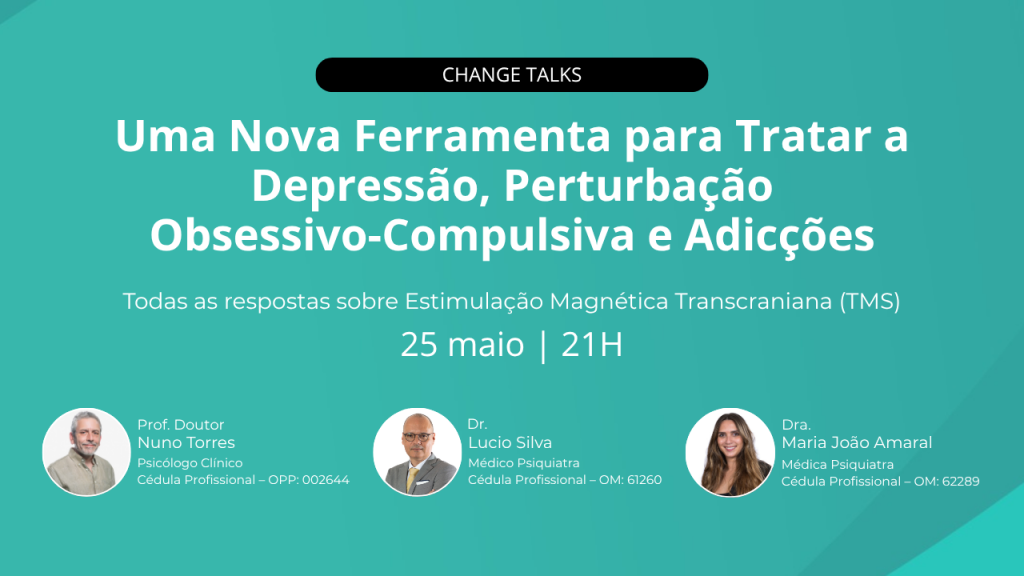
Following an inaugural session that addressed the topics of treatment-resistant depression and alcohol dependence, and a second webinar focused on new and old addictions, Change Talks— a free webinar series from The Clinic of Change that offers a human, accessible, and responsible conversation about mental health—returns on May 25.
And because, at The Clinic of Change, innovation is a founding principle—and the search for new therapies and clinical approaches is ongoing—the next discussion will focus on a new tool for mental health: Transcranial Magnetic Stimulation(TMS).
SIGN UP HERE TO WATCH THE NEXT WEBINAR
In a free online session, experts from the clinical team at The Clinic of Change will answer all your questions about TMS—from the specifics of this new therapeutic method to its effects on mental health.
What is TMS?
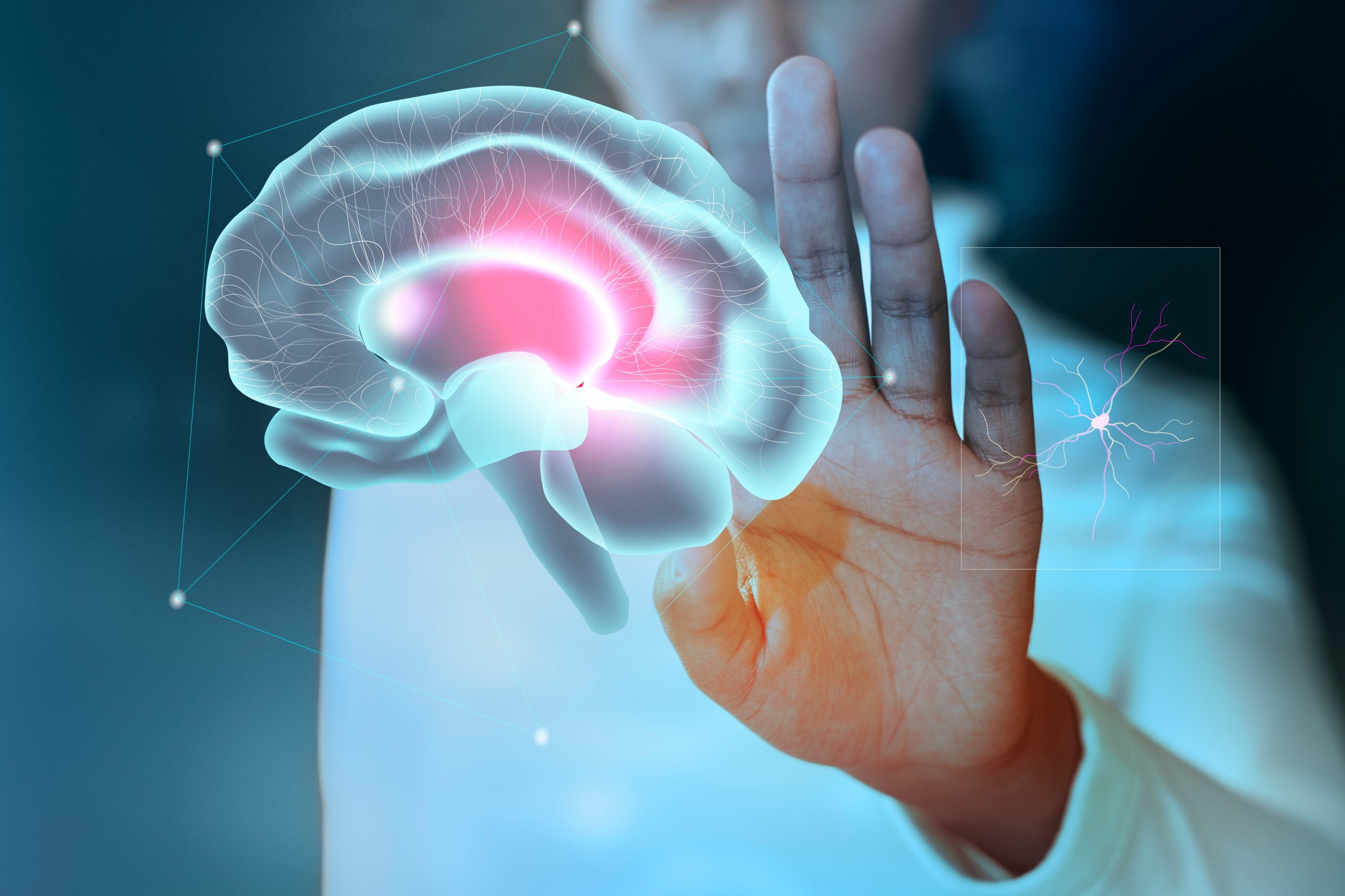
This is a noninvasive brain neuromodulation technique that uses high-intensity pulsed magnetic fields to induce focal electrical currents in the cerebral cortex, modulating neuronal activity in a controlled and repeatable manner.
In cases of treatment-resistant depression, studies show that the application of high-frequency repetitive stimulation in this region promotes increased local cortical activity and functional reorganization of fronto-limbic networks, contributing to symptom improvement.
 How does TMS work?
In clinical practice, TMS targets brain circuits involved in psychiatric disorders, such as treatment-resistant depression, where it can increase activity in the prefrontal cortex and improve emotional regulation.
The treatment is performed on an outpatient basis, without anesthesia or sedation.Sessions last between 3 and 37 minutes, depending on the protocol, and are generally conducted five times a week for four to six weeks. The patient remains awake and can resume their normal activities immediately.
The efficacy of TMS intreatment-resistant depression has been well demonstrated in international studies. Clinical trials have shown that TMS is superior to sham stimulation, with benefits that are sustained over time. However, other clinical studies have shown that it can also clinically and significantly reduce obsessive-compulsive symptoms as well as anxiety symptoms, especially in generalized anxiety disorder and in cases of anxiety associated with depression. The same methodology has also shown proven results in the treatment of addictions such as smoking or cocaine use.
On May 25, at 9:00 p.m., the webinar will feature Prof. Nuno Torres, Ph.D., a clinical psychologist, researcher, and professor at ISPA – Instituto Universitário, along with Dr. Lúcio Silva, a psychiatrist, and Dr. Maria João Amaral, a psychiatrist. The three members of The Clinic of Change’s clinical team will, as usual, answer questions from the audience on the topic under discussion: TMS and its relevance to mental health.
[Watch the full video of the latest webinar here ]