

Transcranial Magnetic Stimulation: How It Works and Who It Is Recommended For
When you search for “transcranial magnetic stimulation in Lisbon,” the questions are always the same: what exactly is it, how does it work in the brain, who is it for, how much does it cost, and where can you get high-quality treatment? This article answers those questions based on the available scientific evidence—without oversimplifying or unnecessarily complicating matters.
What science has already shown about TMS—and what you should know before considering this treatment option.
Transcranial Magnetic Stimulation (TMS) has evolved from an experimental technique to a treatment approved by the world’s leading regulatory authorities. In Portugal, it is available in the public sector—with waiting lists—and at specialized private clinics in Lisbon and Porto. At The Clinic of Change, we strive to ensure that every patient arrives at their first appointment fully informed about what to expect.
What exactly is Transcranial Magnetic Stimulation?
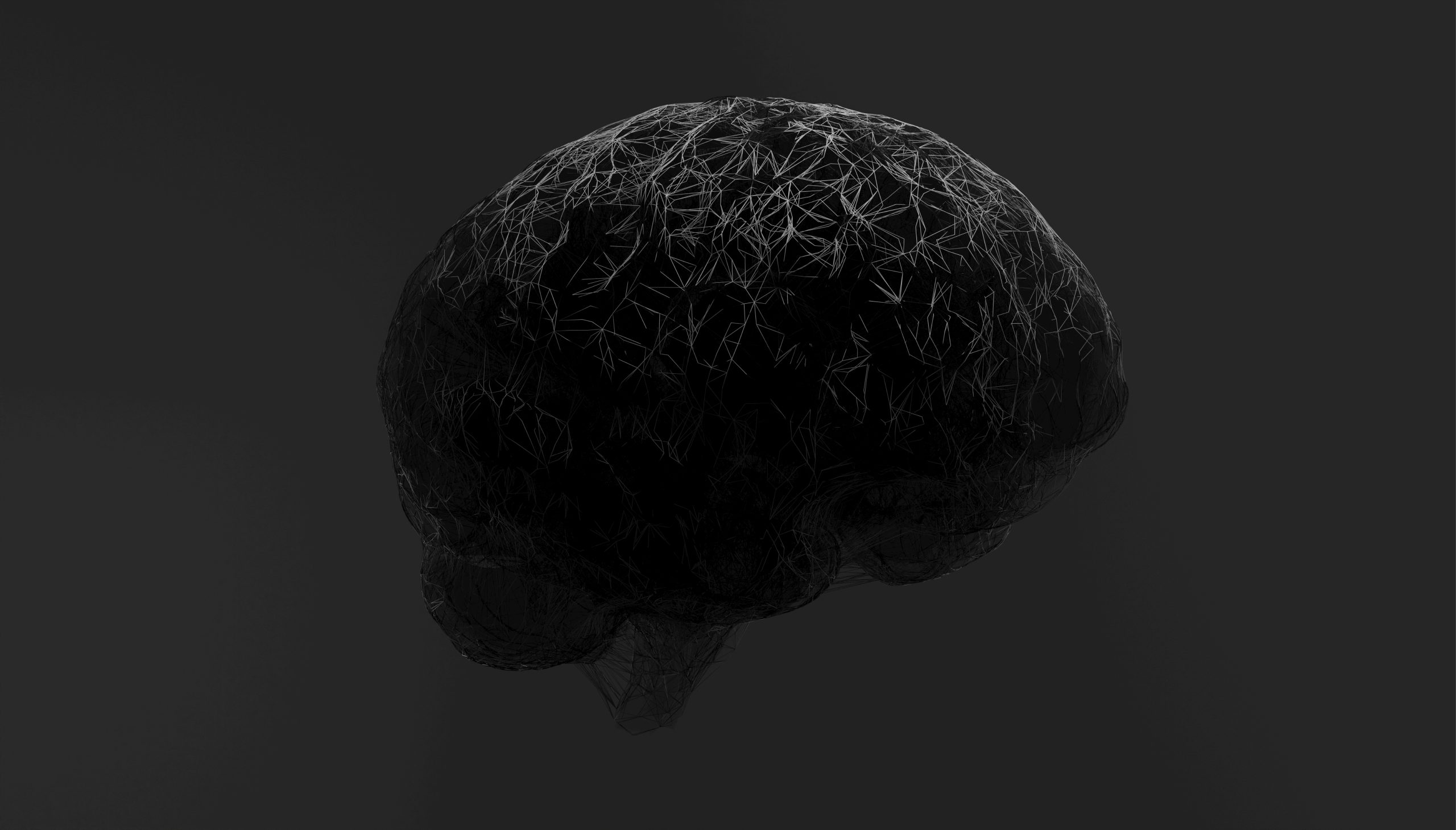
Specifically, TMS is a non-invasive brain neuromodulation technique: no surgery, no anesthesia, no hospital stay. A coil is placed on the scalp and emits magnetic pulses—the same type used in an MRI—that pass through the skull without damaging it. These pulses generate small electrical currents in the nerve cells of the targeted area, altering their activity.
For this reason, the most studied target is the left dorsolateral prefrontal cortex, an area that is consistently underactive in people with major depression. By stimulating it repeatedly over several weeks, TMS promotes the reorganization of dysfunctional neural circuits—a process known as neuroplasticity. As Rizvi and Khan (2019) describe in the journal Cureus, TMS uses electromagnetic induction to excite neurons with spatial and temporal precision that medications simply cannot replicate.
What does a TMS session look like in practice?
In practice, the treatment is performed on an outpatient basis. You sit in a chair, a coil is placed on your scalp, and the treatment begins. There is no anesthesia, no sedation, and no special preparation required. During the session, you will feel pulses that feel like small taps on your scalp—it feels strange at first, but you’ll get used to it quickly.
The duration of each session varies depending on the protocol: conventional rTMS (Repetitive Transcranial Magnetic Stimulation) protocols last between 20 and 37 minutes; the more recent iTBS (Theta Burst Stimulation) protocol allows for sessions of just 3 minutes with clinically equivalent efficacy, as demonstrated by the THREE-D study published in The Lancet (Blumberger et al., 2018). Afterward, you get up and resume your normal activities—you can drive, work, or exercise.
Who is it recommended for?
Currently, the primary indication—approved by the FDA in 2008 and validated by the UK’s NICE (IPG542, 2015)—is treatment-resistant major depression, when two or more antidepressants have failed to produce an adequate response. It is estimated that between 30% and 40% of people with major depression fall into this category, with no effective conventional options available.
In addition, the indications also include Obsessive-Compulsive Disorder (OCD), which was approved by the FDA in 2018 based on the trial by Carmi et al. (American Journal of Psychiatry, 2019). For generalized anxiety and social anxiety, scientific evidence is growing and supports clinical use, although formal regulatory approval is still pending. A large-scale study involving 682 adolescents and 601 young adults (Croarkin et al., 2025) showed that TMS is equally effective in these age groups, with approximately 70% reporting clinically significant improvement.
Estudos recentes apontam ainda para uma eficácia relativa da TMS no tratamento de outras problemáticas de saúde mental. É o caso da Perturbação de Stress Pós-Traumático (PTSD) e de diferentes tipos de adicções, entre elas o tabagismo e a cocaína.
How much does TMS cost in Lisbon?
It’s one of the most frequently asked questions—and it deserves a straightforward answer. For example, a full course of treatment consists of about 30 sessions, held over approximately six weeks, with daily sessions on weekdays. Full programs are available under specific conditions.
However, regarding health insurance coverage: some plans already cover TMS for approved indications, such as treatment-resistant depression. Coverage varies by insurer and plan, so the clinic staff can help clarify this before starting treatment. The cost of TMS should be weighed against the cost—both financial and in terms of time and effort—of years of ineffective treatments.
What is the safety profile of transcranial magnetic stimulation?
The safety profile of TMS is one of its most distinctive features. The most common side effects are mild headaches and temporary scalp discomfort during or immediately after the first few sessions—these usually disappear within a few days. There are no documented adverse cognitive effects, nor any metabolic, sexual, or systemic effects.
In fact, the risk of seizures—the most commonly cited concern—is less than 0.1%—substantially lower than the risk associated with several common antidepressants. Compared to electroconvulsive therapy (ECT), TMS has a much more favorable tolerability profile and does not require anesthesia. In the study by Croarkin et al. involving more than 1,200 young people, less than 1% reported any worsening of symptoms.
TMS and psychotherapy: complementary, not competing
Interestingly, one aspect that is rarely discussed in public is that TMS enhances psychotherapy. Hale and Ruffalo (2025), in *Psychodynamic Psychiatry*, demonstrate that by inducing neuroplasticity, TMS can reduce psychological resistance and increase receptivity to therapeutic work—whether it be cognitive-behavioral therapy, psychoanalysis, or other approaches. At The Clinic of Change, neuromodulation and psychological support are always integrated.
Where can I get high-quality TMS in Lisbon?
The question most frequently asked by those who are beginning to consider this option is precisely this: where can one undergo transcranial magnetic stimulation in Lisbon with a guarantee of quality and adequate medical supervision? Specifically, the criteria to considered are: constant supervision by a psychiatrist during sessions, internationally validated protocols, certified equipment, and an individualized clinical evaluation before starting treatment.
Thus, at The Clinic of Change in Lisbon, all of these criteria are met. Access is direct, with no waiting list, and a psychiatric evaluation appointment serves as the mandatory first step. During this appointment, clinical eligibility, the most appropriate treatment protocol, and the care plan are determined.
When to seek specialized help
Seek professional help if:
- You have been diagnosed with major depression and have not responded adequately to antidepressants;
- You suffer from COPD or severe anxiety—including social anxiety—and conventional treatments have been ineffective;
- Would you like to find out if TMS is right for you and which protocol is best suited to your situation?
- Are you looking for a transcranial magnetic stimulation clinic in Lisbon that offers continuous psychiatric supervision?
- Do you have questions about your health insurance coverage for MSDs?
In short, transcranial magnetic stimulation is not just a promise—it is an established clinical treatment backed by decades of evidence. The first step is an evaluation appointment.
How can The Clinic of Change help?
The Clinic of Change is a mental health clinic in Lisbon that offers structured Transcranial Magnetic Stimulation (TMS) programs on an outpatient basis, under the continuous supervision of a psychiatrist and a multidisciplinary team. Individualized assessment, international protocols, direct access.
That is why we integrate psychiatry, psychology, psychoanalysis, and neuromodulation—because mental health is rarely a one-dimensional issue.
Schedule your appointment.
Because making informed decisions about your mental health is always better than making them based on hope.
Sources:
Rizvi, S., & Khan, A. M. (2019). Use of Transcranial Magnetic Stimulation for Depression. Cureus, 11(5), e4736.
Garnaat, S. L. et al. (2019). Updates on TMS Therapy for Major Depressive Disorder. Psychiatric Clinics of North America, 41(3), 419–431.
Huang, M. et al. (2026). Effects of TMS on Patients with Major Depressive Disorder: A Systematic Review and Meta-analysis. Clinical Medicine & Research, 24(1), 35–41.
Croarkin, P. E. et al. (2025). The Effectiveness of TMS in Adolescents and Young Adults With Major Depressive Disorder. Journal of the American Academy of Child & Adolescent Psychiatry.
Rech, L. et al. (2025). MAGNITUDE: TMS for Treatment-Resistant OCD. Brain Sciences, 15(2), 106.
Hale, M., & Ruffalo, M. L. (2025). From Stimulation to Interpretation: Psychodynamic Aspects of TMS. Psychodynamic Psychiatry, 53(4), 477–483.
Blumberger, D. M. et al. (2018). Effectiveness of theta burst versus high-frequency rTMS (THREE-D). The Lancet, 391(10131), 1683–1692.
NICE IPG542 (2015) | NICE IPG676 (2020). nice.org.uk
This article is for informational purposes only and is not a substitute for a personalized medical consultation. Please contact us.