
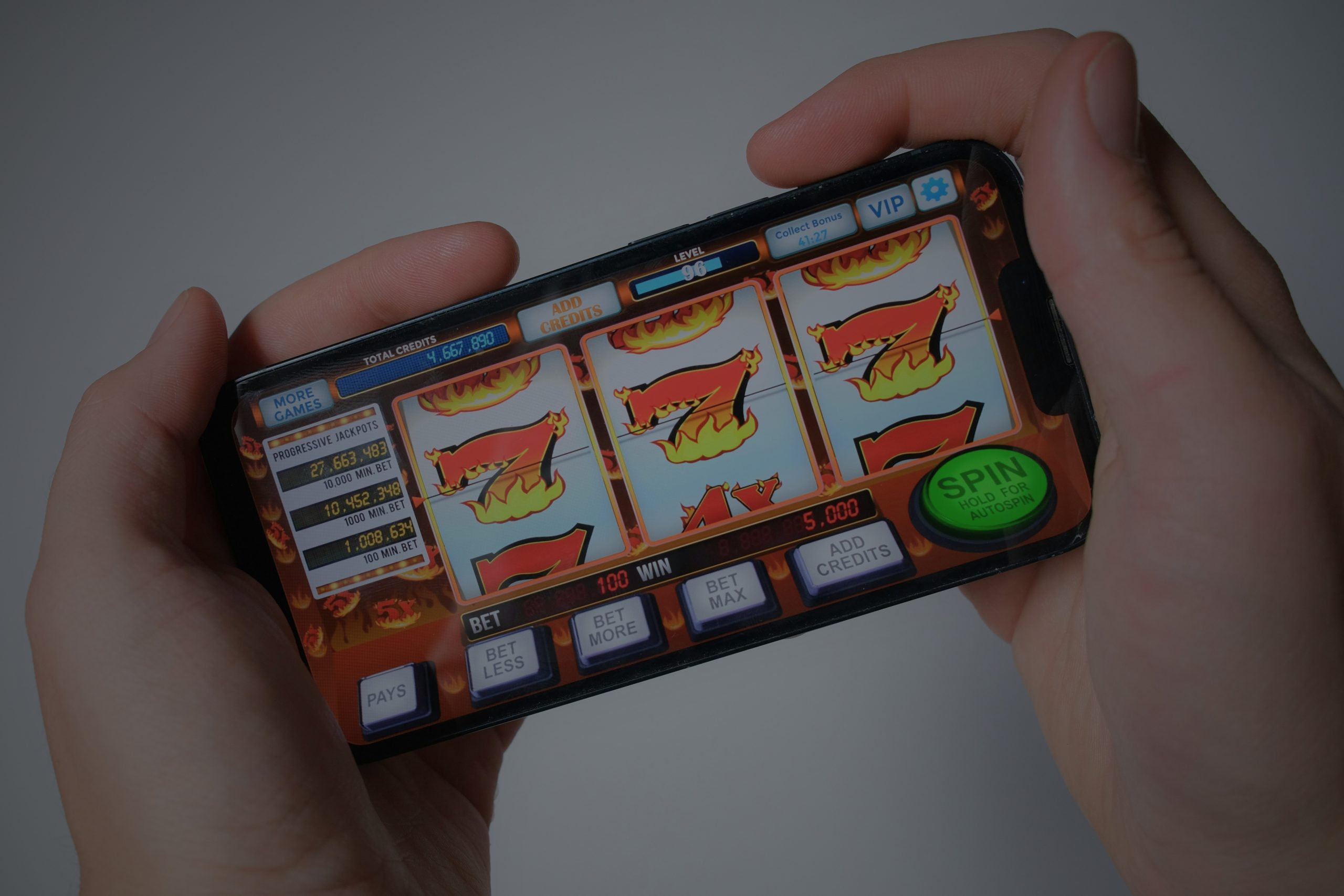

In the upcoming Change Talks webinar, scheduled for June 30 at 9:00 p.m., gambling will be the topic of discussion—but not just casino gambling. The conversation goes further and brings face-to-face two realities that are increasingly present in our daily lives: video games and gambling. These are two forms of “gaming” that, for some, cease to be mere entertainment and instead become an addiction with serious consequences not only for mental health but also for family relationships, professional life, and the financial situation of those suffering from this condition.
With free admission, this fourth Change Talks webinar promises to be an accessible, in-depth, and frank discussion about a problem that is silently growing in our society—and that is affecting young people at an increasingly early age.
SIGN UP HERE TO WATCH THE NEXT WEBINAR
When does gambling stop being a pastime and become an addiction?
This is one of the central issues of the session. Pathological Gambling—also known as Gambling Disorder—is a recognized clinical condition characterized by a loss of control over gambling behavior, despite the resulting negative consequences. It is not a character flaw or a lack of willpower. It is a treatable illness.
Technology has exacerbated the problem. With constant access to online casinos, sports betting, and mobile apps, anyone today has a casino in their pocket, available 24 hours a day. And video games—which are increasingly designed with reward mechanisms similar to those found in games of chance—are creating fertile ground among young people for the development of addictive behaviors.
What topics will be covered in the webinar on pathological gambling and mental health?
Throughout the session, members of the clinical team at The Clinic of Change will answer questions such as:
- In what ways are gaming and gambling becoming a public health problem?
- What defines these concepts, and which groups are most affected by each one?
- Where is the line between recreation and addiction?
- What are the main warning signs and symptoms of pathological gambling?
- What are the treatment options for gambling addiction?
Who are the speakers?
The discussion features three experts from the clinical team at The Clinic of Change. Magda Carvalho is a clinical psychologist with extensive experience in the field of addictive behaviors and addictions; she has been working since 2008 in the Division for Intervention in Addictive Behaviors and Addictions (DICAD) of the Lisbon and Tagus Valley Regional Health Administration.
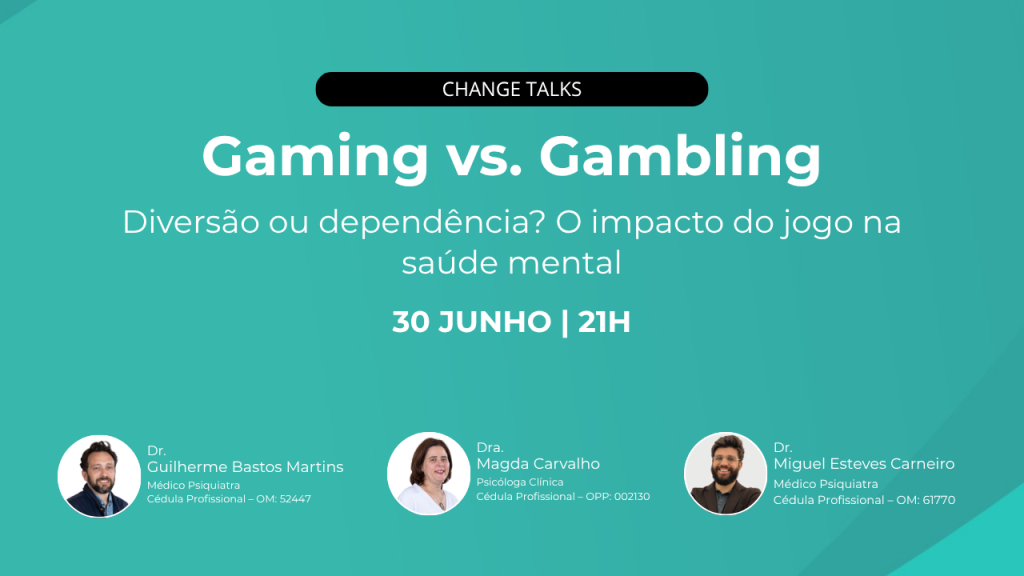
Guilherme Bastos Martins is a psychiatrist specializing in addictive behaviors and substance use disorders. He has been a member of treatment teams in this field since 2018 and completed an internship at the Institute of Psychiatry, Psychology, and Neuroscience at King’s College London.
Miguel Esteves Carneiro, who is also a psychiatrist, heads the specialized clinic for pathological gambling at Grupo Trofa Saúde and works at the Institute for Addictive Behaviors and Dependencies at the Western Lisbon Integrated Response Center.
Have you ever heard of Transcranial Magnetic Stimulation (TMS)?
It’s a new tool for treating treatment-resistant depression, as well as obsessive-compulsive disorder and certain addictions. Learn more about this topic— watch (or rewatch) the latest Change Talks webinar.